 W
WAlethopteris is a prehistoric plant genus of fossil Pteridospermatophyta that developed in the Carboniferous period.
 W
WThe Alston Formation is a geologic formation in England. It preserves fossils dating back to the Viséan to Serpukhovian stages of the Carboniferous period.
 W
WThe Ballagan Formation is a geologic formation in Scotland and England. It preserves fossils dating back to the early part of the Carboniferous period (Tournaisian–Visean).
 W
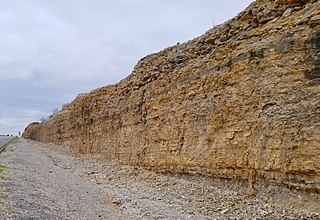
WThe Boone Formation a discrete and definable unit of cherty limestone rock strata located in northwest Arkansas and northeast Oklahoma.
 W
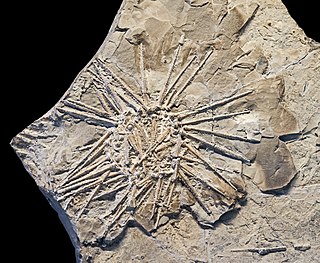
WThe Canyon Group is a geologic group in Texas. It preserves fossils dating back to the Carboniferous period. It contains the Caddo Creek, Graford, Palo Pinto, Wolf Mountain Shale and Winchell Formations.
 W
WThe Cisco Group is a geologic group in Texas. It preserves fossils dating back to the Carboniferous period.
 W
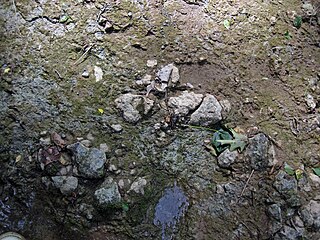
WThe Conemaugh Group is a geologic group in West Virginia, Pennsylvania, Ohio, and Maryland. It preserves fossils dating back to the Carboniferous period.
 W
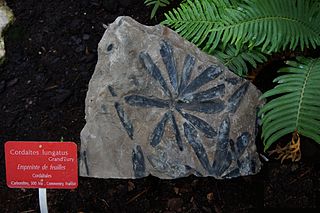
WCordaites is an important genus of extinct gymnosperms which grew on wet ground similar to the Everglades in Florida. Brackish water mussels and crustacea are found frequently between the roots of these trees. The fossils are found in rock sections from the Upper Carboniferous of the Dutch - Belgian - German coal area. A number of many noteworthy types from this line are:Cordaites principalis Cordaites ludlowi Cordaites hislopii. Found in Paleorrota geopark in Brazil.
 W
WDorycordaites is a genus of extinct gymnosperms.
 W
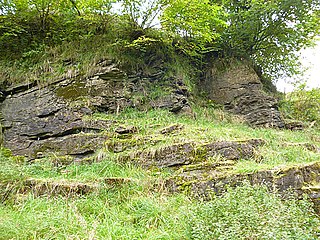
WThe East Kirkton Limestone is a rock unit in the West Lothian Oil-Shale Formation in Scotland. It preserves fossils of the Carboniferous period. The limestone outcrops at East Kirkton Quarry.
 W
WThe Hinton Formation is a geologic formation in West Virginia. It preserves fossils dating back to the Carboniferous period. It is mainly made up of limestone, sandstone, and shale.
 W
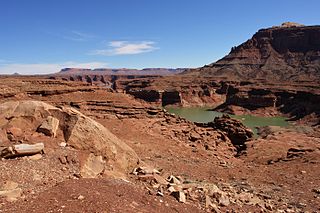
WThe Honaker Trail Formation is a geologic formation in Utah. It preserves fossils dating back to the Carboniferous period.
 W
WThe Horton Bluff Formation is a geologic formation in Nova Scotia. It preserves fossils dating back to the Carboniferous period. It is located 2.5 kilometres southeast of Avonport Station.
 W
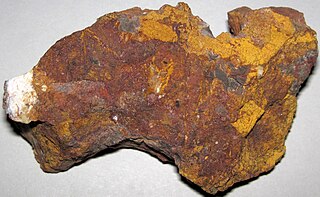
WThe Indian Springs Formation is a geologic formation in Nevada. It preserves fossils dating back to the Carboniferous period.
 W
WThe Johnson Formation is a thick geologic formation of soft shale with thin, resistant beds of chalkier mudstone and limestone in Nebraska, Kansas, and Oklahoma rarely exposed outside of road cuts. It preserves fossils dating back to the late-Carboniferous period.
 W
WThe Knipe Scar Limestone is a geologic formation in England. It preserves fossils dating back to the Carboniferous period.
 W
WThe Leadville Limestone is a Mississippian geologic formation in the western United States. In Colorado, the upper part is oolitic limestone, while the lower part is primarily dolomite, and somewhat sandy beds indicate the bottom of the formation.
 W
WLyginopteris is a genus of Late Carboniferous seed fern stems with a very distinctive outer cortex of sclereids forming a pattern in cross section like Roman numerals on a clock face, often called a Sparganum cortex. Some Lyginopteris were parasitized by water molds.
 W
WThe Mauch Chunk Group is a geologic group in West Virginia. It preserves fossils dating back to the Carboniferous period.
 W
WThe Minnelusa Formation is a geologic formation in South Dakota. It preserves fossils dating back to the Carboniferous period.
 W
WThe Minturn Formation is a geologic formation in Colorado. It preserves fossils dating back to the Carboniferous period. Among the fossils preserved are of crinoids, spiriferid brachiopods, gastropods, and the spines and teeth of numerous sharks such as Petalodus
 W
WThe Naco Formation is a geologic formation in Arizona. It preserves fossils dating back to the Pennsylvanian subperiod.
 W
WNeuropteris is an extinct seed fern that existed in the Carboniferous period, known only from fossils.
 W
WThe Pueblo Formation is a geologic formation in Texas. It preserves fossils dating back to the Permian period.
 W
WThe Stellarton Formation is a geologic formation in Nova Scotia. It preserves fossils dating back to the Carboniferous period.
 W
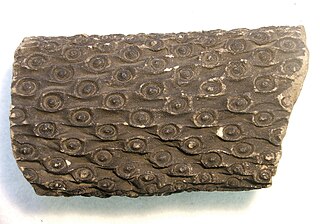
WStigmaria is a form taxon for common fossils found in Carboniferous rocks. They represent the underground rooting structures of coal forest lycopsid trees such as Sigillaria and Lepidodendron. These swamp forest trees grew to 50 meters and were anchored by an extensive network of branching underground structures with "rootlets" attached to them. Analysis of the morphology and anatomy of these stigmarian systems suggests they were shoot-like and so they are called rhizomes or rhizophores. The stigmarian rhizomes are typically covered with a spiral pattern of circular scars where "rootlets" were attached. Since the stigmarian systems are shoot-like, these "rootlets" may be modified leaves, adapted to serve the function of roots. However, some paleontologists argue that the "rootlets" were true roots, with a complex branching structure and root hairs, comparable to the roots of the closest living relative of Lepidodendron, the quillworts.
 W
WThe Swope Formation is a geologic formation in Missouri. It preserves fossils dating back to the Carboniferous period.
 W
WThe Winchell Formation is a geologic formation in Texas. It preserves fossils dating back to the Carboniferous period.