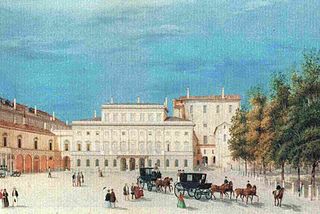
 W
WGiuseppe Alinovi was an Italian painter, mainly painting vedute in a Neoclassical style, often in light watercolors. The Italian composer and court organist Giuseppe Alinovi was his father.
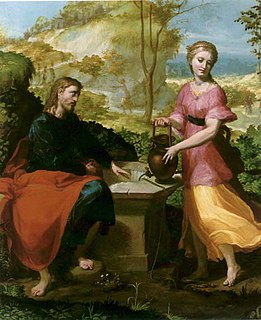 W
WMichelangelo Anselmi was an Italian Renaissance-Mannerist painter active mostly in Parma.
 W
WAlessandro Araldi was an Italian painter of the Renaissance, active mainly in Parma.
 W
WSisto Badalocchio Rosa was an Italian painter and engraver of the Bolognese School.
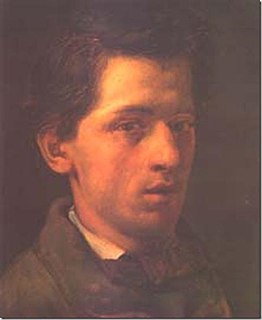 W
WCecrope Barilli was an Italian painter.Not to be confused with the Italian actor known for Before the Revolution.*
 W
WGirolamo Mazzola Bedoli was an Italian painter active in the Mannerist style.
 W
WPier Antonio Bernabei (1570–1630) was an Italian painter also known as Della Casa.
 W
WJacopo Bertoia, also known as Giacomo Zanguidi or Jacopo Zanguidi or Bertoja,, was an Italian painter of a late-Renaissance or Mannerist style that emerged in Parma towards the end of the 16th century.
 W
WGian Gheramo or Giovanni Gherardo Dalle Catene or Zangirardo Cathena was an Italian painter of the Renaissance, active in Modena in a style reminiscent of Giovanni Bellini.
 W
WAmedeo Bocchi was an Italian painter, active mainly in Rome.
 W
WGiovan Battista Borghesi, also called Giovanni Battista or Giambattista was an Italian painter and scenic designer of the Neoclassic period, active mainly in Parma.
 W
WGaetano Callani was an Italian painter and sculptor, active mainly in his native Parma in a Neoclassical style.
 W
WGiulio Carmignani was an Italian landscape painter and litterateur.
 W
WGiovanni Maria Conti, also called Giovanni dalla Camera was an Italian painter active during the Baroque period in Parma.
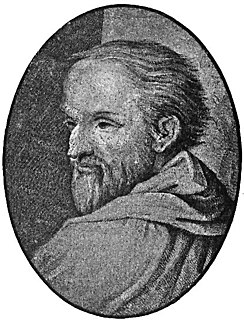 W
WAntonio Allegri da Correggio, usually known as just Correggio, was the foremost painter of the Parma school of the High Italian Renaissance, who was responsible for some of the most vigorous and sensuous works of the 16th century. In his use of dynamic composition, illusionistic perspective and dramatic foreshortening, Correggio prefigured the Baroque art of the 17th century and the Rococo art of the 18th century. He is considered a master of chiaroscuro.
 W
WFrancesco da Cotignola, also called Zaganelli, was an Italian painter of the Renaissance period, active mainly in Parma and Ravenna.
 W
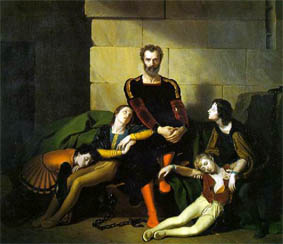
WGiuseppe Diotti was an Italian painter of the Neoclassic style.
 W
WGiuseppe Drugman was an Italian landscape and cityscape painter.
 W
WTommaso Gasparotti was an Italian poet, painter, paleographist and bibibliophile archivist in Parma.
 W
WBernardino Loschi was an Italian painter of the Renaissance.
 W
WBiagio Martini was an Italian painter, active mainly in Parma in a Neoclassical style.
 W
WFilippo Mazzola was an Italian painter of the Renaissance period.
 W
WDomenico Muzzi was an Italian painter and professor of Design at the Accademia di Belle Arti of Parma.
 W
WAlberto Pasini was an Italian painter. He is best known for depicting Orientalist subjects in a late-Romantic style.
 W
WGiuseppe Peroni was an Italian painter of the Baroque period.
 W
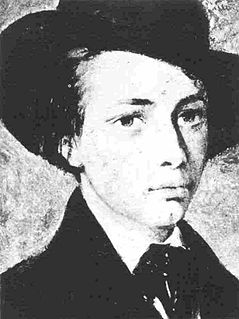
WCarlo Raimondi was an Italian engraver and painter, active mainly at Parma.
 W
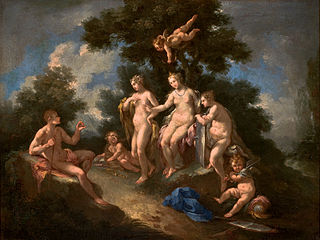
WMichele Rocca was an Italian painter of the Baroque period. He was born in Parma and practised in Rome, and died some time after 1751. He was also called Parmigianino the younger or Michele da Parma. He worked in the manner of Pietro da Cortona.
 W
WGiovanni Maria Francesco Rondani was an Italian painter, active in a Renaissance style in Parma.
 W
WFrancesco Scaramuzza was an Italian painter and poet of the Romantic period in Northern Italy. He painted mythologic and historic canvases, but is best known for his interpretations of literary subjects including Dante, an enterprise to which he dedicated decades.
 W
WBartolomeo Schedoni was an Italian early Baroque painter from Modena.
 W
WFrancesco Simonini was an Italian painter.
 W
WIlario Spolverini (1657–1734), known as Spolverini, was an Italian painter.
 W
WGiovanni Tebaldi (1787–1852) was an Italian painter, active in a Neoclassical style.
 W
WGiovanni Battista Tinti (1558-1617) was an Italian painter of the Renaissance period. He studied first under Orazio Samacchini in Bologna, and subsequently established himself in Parma, where he was inspired chiefly by the work of Tibaldi, Correggio and Parmigianino. He painted an Assumption for the cathedral of Parma and the cupola frescoes for the church of Santa Maria degli Angeli in Parma.