 W
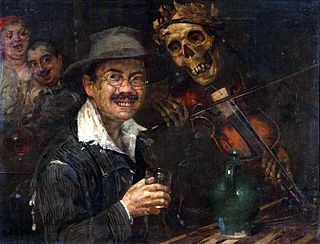
WStevan Aleksić was a Serbian painter born in Austria-Hungary. His work belongs to the Munich School. He is especially known for his series of self-portraits, dating from 1895 to 1922, which at the same time illustrate the evolution of his style and technique as well as the changes in his physique and character, and is the largest such collection in Serbian painting.
 W
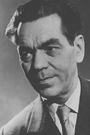
WĐorđe Andrejević-Kun was a Serbian painter and academic. He designed the Coat of Arms of the City of Belgrade and reputedly designed the Coat of arms of the Socialist Federal Republic of Yugoslavia and Yugoslav orders and medals.
 W
WDimitrije "Mita" Avramović was a Serbian writer, iconographer, caricaturist and painter in the Neoclassical style, considered to be the preeminent painter of the era and best known for his iconostasis and frescos. Avramović also translated from German into Serbian Johann Joachim Winckelmann's Geschichte der Kunst des Alterthums and other writings. He is considered the father of modern comic strips in Serbia. His caricatures were used to fight against the authoritarian rule of the masses in both the Austrian Empire and the Ottoman Empire at the time.
 W
WPredrag Milićević - Barbarien was a Serbian outsider art painter.
 W
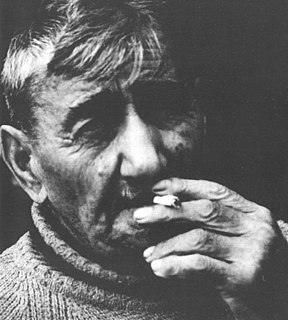
WIlija Bašičević, later Ilija "Bosilj" Bašičević was a painter; a classic of Serbian outsider art.
 W
WAnastas Bocarić was a Serbian painter.
 W
WSpiridon "Špiro" Bocarić was a Serb painter.
 W
WJanko Brašić was Serbian naïve painter. He is considered to be one of the foremost contributors to the Naïve art genre, with a worldwide reputation.
 W
WMarko Čelebonović was one of the most famous Serbian painters of the 20th century.
 W
WPavle Čortanović was a Serbian painter. Pavle was the son and student of Petar Čortanović. Pavle also studied art at the Vienna Academy of Fine Arts from 1845 until the winter semester of 1852-1853.
 W
WKonstantin Danil was a Serbian painter of the 19th century. He is most famous for his portraits and religious painting. Danil is considered to be the most important Serbian painter of Biedermeier.
 W
WPetar Dobrović was a Serbian painter and politician.
 W
WEmerik Feješ was a painter; a classic of Serbian Naïve art.
 W
WVukašin "Vuk" Filipović was a Serbian writer, painter and professor at the University of Priština. He is considered one of the most important Serbian 20th-century writers.
 W
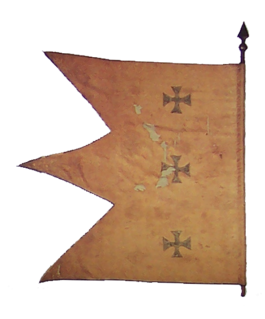
WStefan Gavrilović was an 18th-century-19th-century Serbian painter known best for his iconostasis and frescoes.
 W
WPal Homonai, was a Serbian-Hungarian Naïve art painter.
 W
WVojislav Jakić was a Serbian painter, renowned as an outsider artist. His paintings and drawings display phantasmagoric visions of death, insects and human insides. His most significant works are exhibited in the Collection de l'art brut in Lausanne and Museum of Naive and Marginal Art in Jagodina.
 W
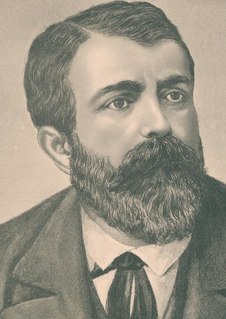
WGeorgije "Đura" Jakšić was a Serbian poet, painter, writer, dramatist and bohemian.
 W
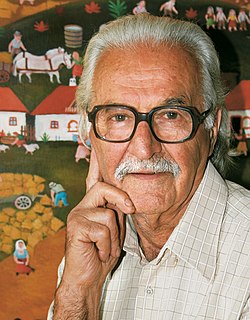
WDušan Jevtović ; village Gornja Trnava nearby Prokuplje, August, 9th 1925 – Belgrade, October, 6th 2011), Serbian naive art painter. He is considered to be one of the foremost contributors to the naive art genre, with a worldwide reputation.
 W
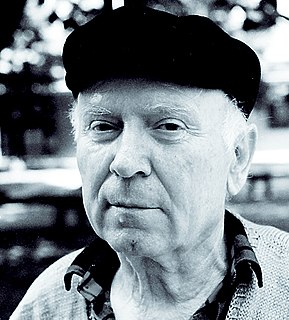
WIgnjat Job was an important representative of colour expressionism in the art scene of Yugoslavia during the 1930s. Job's landscapes of Dalmatia are reminiscent of the style of Van Gogh. He is best known for his series of paintings inspired by life on the island of Brač. Job said that “the beneficial influence of the Brač landscape can be felt, the hot sun, blue sea, and green branches of olive trees swayed by the breath of the maestral”. His paintings depicted the Mediterranean landscape, motifs of the town of Supetar, fishing themes, and more rarely portraits and nudes.
 W
WMilosav Jovanović is a Serbian Outsider art and naive art painter.
 W
WStevan Knežević was a Serbian painter, sculptor, printmaker and performance artist. He was a professor at the Faculty of Fine Arts in Belgrade.
 W
WMilan Konjović was a prominent Serbian painter whose works can be divided into six periods of artistic style. He studied in many countries abroad and lived in Paris from 1924 to 1932. His long life's work earned him many recognitions as well as a place in the Serbian Academy of Sciences and Arts.
 W
WIvan Kovalčik Mileševac, Prijepolje, Yugoslavia, Serbia) was a Serbian icon and fresco painter - the Prime Master of the Serbian Orthodox Eparchy of Mileševa. At the initiative of the National Museums of Prijepolje and Belgrade headed by directors Slavoljub Pušica and Jefta Jeftović in reconstruction projects of Nemanjic's endowments, in collaboration with SANU and under the supervision of the Institute for Protection of Cultural Heritage of Kraljevo, with the blessing of Serbian Patriarch Pavle and by blessing of episcops (bishops) of the Eparchy (dioceses) of Mileševa, Vasilije Veinović and Filaret Mićević, painted a larger number of iconostasis for the Serbian Orthodox Church in churches and monasteries of the Eparchy of Mileševa. Since 2006. he has lived in Novi Sad, where within the rules of Church painting, works on making icons and frescoes in the Byzantine style.
 W
WMiša Mihajlo Kravcev is a Serbian painter and author from Belgrade.
 W
WĐorđe Krstić also Djordje Krstić was a Serbian realist painter and academic. He is often ranked alongside his contemporaries, Paja Jovanović and Uroš Predić.
 W
WVladislav Lalicki, also known as "Wladyslaw Lalitzky", was a Serbian production designer, costume designer, and painter.
 W
WPetar Lubarda was a Serbian painter.
 W
WMilić Stanković, known by his artistic name Milić of Mačva, was a Serbian painter and artist often named Balkan's Dalí for his figurative surrealist paintings.
 W
WMihailo Milovanović was a Serbian painter, sculptor and writer. He was one of the founders of the Association of Painters of Serbia. During the First World War, he was a war painter of the Serbian Army's Supreme Command and, as such, he painted portraits of Voivodes Radomir Putnik, Živojin Mišić, Stepa Stepanović and Petar Bojović, as well as General Pavle Jurišić Šturm, King Peter I of Serbia and Regent Alexander Karađorđević.
 W
WRafailo Momčilović was a Serbian Orthodox cleric, abbot of the Šišatovac Monastery, and painter. He was killed in the Genocide of Serbs in the Independent State of Croatia which took place during the Second World War.
 W
WMarko Murat was a Serbian painter from Dubrovnik who spent 20 years of his life in Belgrade, becoming a leading member of the Serbian and Yugoslav art scene at the time, before returning to his home town where he made a substantial mark in art conservation.
 W
WŽivorad Nastasijević was a well-known Serbian painter and war artist.
 W
WBranko Popović was a Serbian painter, art critic, professor and dean of the Engineering Faculty at the University of Belgrade. He was also an accomplished architect.
 W
WJovan Popović was a Serbian portrait painter.
 W
WUroš Predić was a Serbian Realist painter. Predić is perhaps best known for his early works depicting ordinary people, as well as his many portraits.
 W
WNovak Radonić was a painter from modern-day Serbia.
 W
WDragan Sekaric, professionally known as Shex (Serbian Cyrillic: Шекс, Serbian Latin: Šeks, Serbian pronunciation: [ʃeks], is a Serbian and North American visual artist from Toronto.
 W
WSava Sekulić was a Serbian Naïve and Outsider art painter.
 W
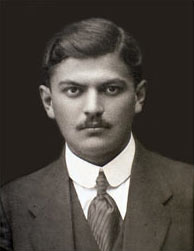
WRadomir Stević Ras was a Serbian painter, illustrator and designer. He was also founder and owner of a private theatre in the former Yugoslavia that exclusively presented work of domestic authors.
 W
WSava Šumanović was a Serbian painter. He is considered to be one of the most important Serbian painters of the 20th century. Šumanović's opus includes around 800 paintings as well as 400 drawings and sketches. He was executed during the genocide of Serbs in the Independent State of Croatia.
 W
WVladislav Titelbah was a Czech-born Serbian painter. In his aquarelles and drawings, he depicted rural interiors, persons, and scenes. He also copied Serbian folk embroidery and other products of folk art from Serbia. He made around 1,000 works.
 W
WMiroslav Živković was a Serbian naïve art painter.