 W
WThe Perseus cluster is a cluster of galaxies in the constellation Perseus. It has a recession speed of 5,366 km/s and a diameter of 863′. It is one of the most massive objects in the known universe, containing thousands of galaxies immersed in a vast cloud of multimillion-degree gas.
 W
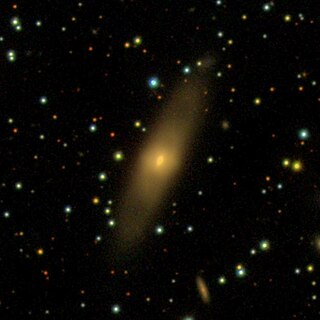
WNGC 1250 is an edge-on lenticular galaxy located about 275 million light-years away in the constellation Perseus. It was discovered by astronomer Lewis Swift on Oct 21, 1886. NGC 1250 is a member of the Perseus Cluster.
 W
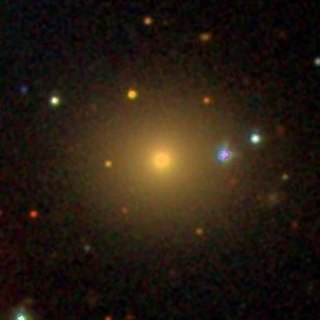
WNGC 1259 is a lenticular galaxy located about 243 million light-years away in the constellation Perseus. The galaxy was discovered by astronomer Guillaume Bigourdan on October 21, 1884 and is a member of the Perseus Cluster.
 W
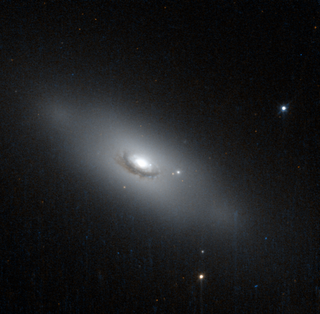
WNGC 1260 is a spiral or lenticular galaxy in the constellation Perseus. It was discovered by astronomer Guillaume Bigourdan on October 19, 1884. NGC 1260 is a member of the Perseus Cluster and forms a tight pair with the galaxy PGC 12230. In 2006, it was home to the second brightest supernova in the observable universe, supernova SN 2006gy.
 W
WNGC 1264 is a low-surface-brightness barred spiral galaxy located about 145 million light-years away in the constellation Perseus. The galaxy was discovered by astronomer Guillaume Bigourdan on October 19, 1884. NGC 1264 is a member of the Perseus Cluster.
 W
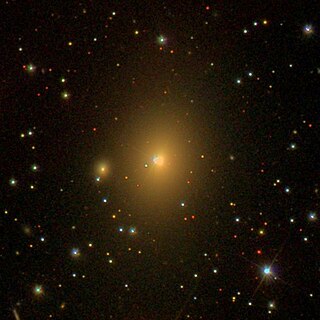
WNGC 1265 is a Fanaroff and Riley class 1 radio galaxy located in the constellation Perseus, a member of the Perseus Cluster.
 W
WNGC 1267 is an elliptical galaxy located about 220 million light-years away in the constellation Perseus. NGC 1267 was discovered by astronomer Heinrich d'Arrest on February 14, 1863. NGC 1267 is a member of the Perseus Cluster and is possibly interacting with the spiral galaxy NGC 1268.
 W
WNGC 1268 is a spiral galaxy located about 140 million light-years away in the constellation Perseus. It was discovered by astronomer Heinrich d'Arrest on February 14, 1863. NGC 1268 is a member of the Perseus Cluster and appears to show signs of distortion in the form of bridges. These features may be the result of a strong interaction with NGC 1267.
 W
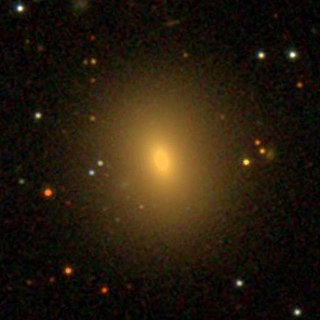
WNGC 1270 is an elliptical galaxy located about 250 million light-years away in the constellation Perseus. It was discovered by astronomer Heinrich d'Arrest on February 14, 1863. NGC 1270 is a member of the Perseus Cluster and has an estimated age of about 11 billion years. However, Greene et al. puts the age of NGC 1270 at about 15.0 ± 0.50 Gy.
 W
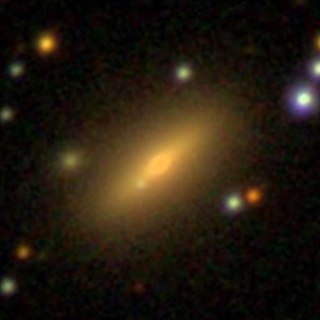
WNGC 1271 is a compact elliptical or lenticular galaxy located about 250 million light-years away in the constellation Perseus. The galaxy was discovered by astronomer Guillaume Bigourdan on November 14, 1884. NGC 1271 is a member of the Perseus Cluster and has a nuclear dust disk in its center. It also has an edge-on, intermediate-scale disk and has a central bulge. Like NGC 1277, NGC 1271 is a candidate "relic galaxy".
 W
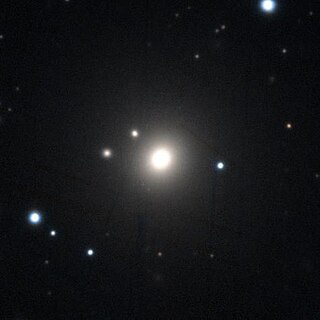
WNGC 1272 is a massive elliptical galaxy located about 230 million light-years away in the constellation Perseus. It was discovered by astronomer Heinrich d'Arrest on February 14, 1863. NGC 1272 has an active nucleus and is the second brightest member of the Perseus Cluster after NGC 1275.
 W
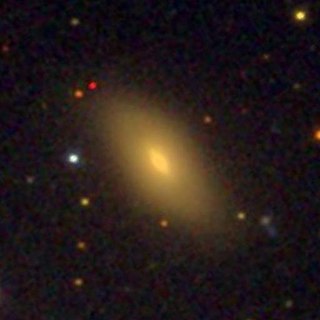
WNGC 1273 is a lenticular galaxy located about 245 million light-years away in the constellation Perseus. It was discovered by astronomer Heinrich d'Arrest on February 14, 1863 and is a member of the Perseus Cluster.
 W
WNGC 1274 is a compact elliptical galaxy located about 280 million light-years away in the constellation Perseus. NGC 1274 was discovered by astronomer Lawrence Parsons on December 4, 1875. It is a member of the Perseus Cluster.
 W
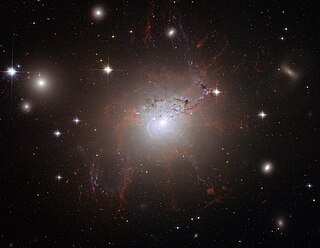
WNGC 1275 is a type 1.5 Seyfert galaxy located around 237 million light-years away in the direction of the constellation Perseus. NGC 1275 corresponds to the radio galaxy Perseus A and is situated near the center of the large Perseus Cluster of galaxies.
 W
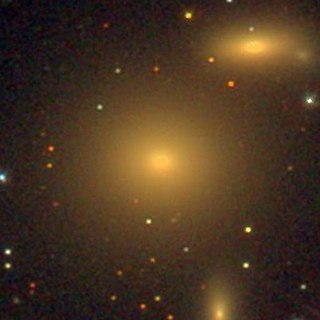
WNGC 1277 is a lenticular galaxy in the constellation of Perseus. It is a member of the Perseus Cluster of galaxies and is located approximately 73 Mpc (megaparsecs) or 220 million light years from the Milky Way. It has an apparent magnitude of about 14.7. It was discovered on December 4, 1875 by Lawrence Parsons, 4th Earl of Rosse.
 W
WNGC 1278 is an elliptical galaxy located about 230 million light-years away in the constellation Perseus. NGC 1278 was discovered by astronomer Heinrich d'Arrest on February 14, 1863. It was then rediscovered by astronomer Guillaume Bigourdan on October 22, 1884 and was later listed as IC 1907. NGC 1278 is a member of the Perseus Cluster and is a low-luminosity AGN (LLAGN).
 W
WNGC 1279 is a lenticular galaxy estimated to be 324 million light-years away from the Milky Way in the constellation Perseus. It has diameter of about 110,000 ly, and is a member of the Perseus Cluster.
 W
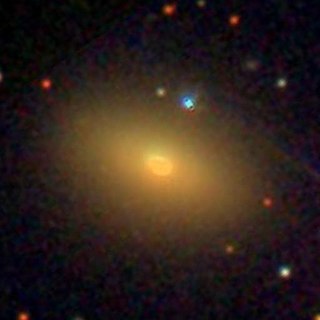
WNGC 1281 is a compact elliptical galaxy located about 200 million light-years away in the constellation Perseus. NGC 1281 was discovered by astronomer John Dreyer on December 12, 1876. It is a member of the Perseus Cluster.
 W
WNGC 1282 is an elliptical galaxy located about 230 million light-years away in the constellation Perseus. It was discovered by astronomer Guillaume Bigourdan on October 23, 1884. NGC 1282 is a member of the Perseus Cluster.
 W
WNGC 1283 is an elliptical galaxy located about 250 million light-years away in the constellation Perseus. The galaxy was discovered by astronomer Guillaume Bigourdan on October 23, 1884 and is a member of the Perseus Cluster. It also contains an active galactic nucleus.
 W
WNGC 1293 is an elliptical galaxy located about 215 million light-years away in the constellation Perseus. It was discovered by astronomer William Herschel on October 17, 1786. NGC 1293 is a member of the Perseus Cluster.
 W
WNGC 1294 is a lenticular galaxy located about 285 million light-years away in the constellation Perseus. The galaxy was discovered by astronomer William Herschel on October 17, 1786 and is a member of the Perseus Cluster.
 W
WNGC 1334 is a spiral galaxy located about 185 million light-years away in the constellation Perseus. It was discovered by astronomer Heinrich d'Arrest on February 14, 1863. NGC 1334 is a member of the Perseus Cluster and is a starburst galaxy. It also appears to have a complex distorted structure.