 W
WEduardo Acevedo Díaz, was an Uruguayan writer, politician and journalist.
 W
WEduardo Acevedo Maturana was a Uruguayan jurist and politician.
 W
WCarlos Anaya (1777–1862) was a Uruguayan politician and historian.
 W
WJosé Gervasio Artigas Arnal is a national hero of Uruguay, sometimes called "the father of Uruguayan nationhood".
 W
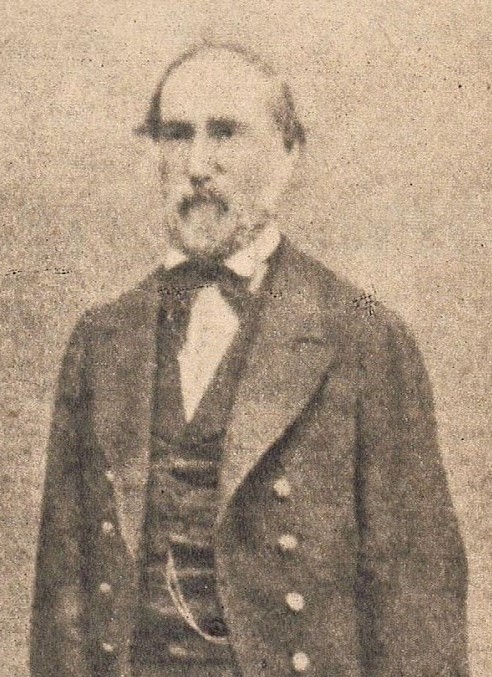
WLorenzo Cristóbal Manuel Batlle y Grau was the president of Uruguay from 1868 to 1872.
 W
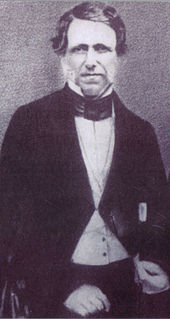
WBernardo Prudencio Berro was the President of Uruguay from 1860 to 1864.
 W
WIsabelino Canaveris was an Uruguayan patriot, military, revolutionary and politician, who served as president of the National Party in the Argentine. He participated in most of the armed confrontations between the Blancos and Colorados.
 W
WJose Eugenio Ellauri y Obes (1834–1894) was a Uruguayan political figure.
 W
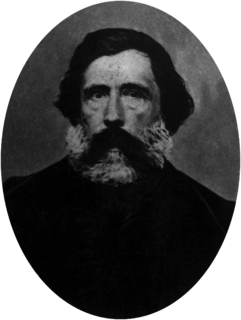
WVenancio Flores Barrios was a Uruguayan political leader and general. Flores was President of Uruguay from 1854 to 1855 (interim) and from 1865 to 1868.
 W
WJuan Francisco Giró was a Uruguayan politician and the President of Uruguay from 1852 until 1853.
 W
WTomás José Gomensoro Albín was a Uruguayan political figure.
 W
WTrinidad Guevara (1798-1873) was a Uruguayan stage actress and drama teacher. She belonged to the star attractions of the theater stage of South America and enjoyed great fame.
 W
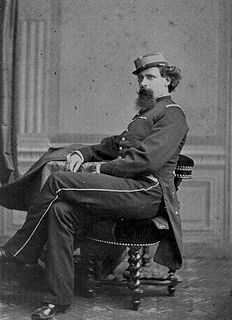
WLorenzo Latorre, full name Lorenzo Antonio Inocencio Latorre Jampen, was a Uruguayan officer and politician, who was a dictator and President of Uruguay from 10 March 1876 until 15 March 1880. During his rule political opponents were oppressed, but at the same time, his reforms greatly improved the economy and state institutions.
 W
WJuan Antonio Lavalleja was a Uruguayan revolutionary and political figure. He was born in Minas, nowadays being located in the Lavalleja Department, which was named after him.
 W
WJosé Benito Silverio Monterroso Bermúdez was a Roman Catholic priest from the Banda Oriental, the pre-independence name of Uruguay.
 W
WManuel Ceferino Oribe y Viana was the 2nd Constitutional president of Uruguay.
 W
WJosé Fructuoso Rivera y Toscana was a Uruguayan general and patriot who fought for the liberation of Banda Oriental from Brazilian rule, twice served as Uruguay's President and was one of the instigators of the long Uruguayan Civil War. He is also considered to be the founder of the Colorado Party, which ruled Uruguay without interruption from 1865 until 1958. He made a controversial decision to almost completely eliminate the native Charrúa during the 1831 Massacre of Salsipuedes.
 W
WMáximo Benito Santos Barbosa was a Uruguayan political and military figure.
 W
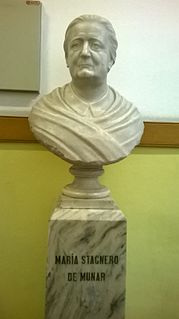
WMaría Stagnero de Munar (1856–1922) was a liberal Uruguayan teacher and feminist. She was a pioneering player in the reform of the Uruguayan school system in the 1880s, establishing the country's first women's teacher training college, Instituto Normal de Señoritas. In 1916, together with her former students, she formed the National Women's Council of Uruguay.
 W
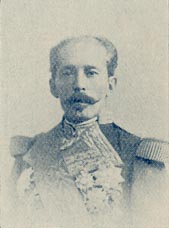
WMáximo Tajes Caceres was a Uruguayan political figure.
 W
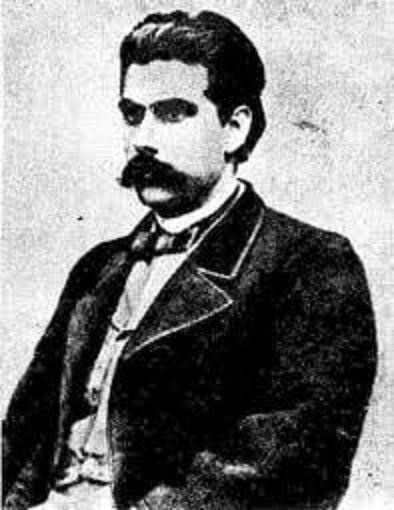
WPedro José Varela Olivera was a politician and member of the Uruguayan Colorado Party. He was president of Uruguay from February to March 1868 and from January 1875 to March 1876, when he resigned from office in favor of defense minister Lorenzo Latorre.
 W
WJacinto Vera y Durán was a Uruguayan Roman Catholic prelate who served as the first Bishop of Montevideo. He was an active prelate in Montevideo though his efforts to renew the priesthood and ecclesial initiatives bought him into conflict with the government who exiled him to Buenos Aires in 1862 where he was until 1863. It was at that stage a revolution had taken place and he was invited to return where he was met with a grand welcome. His objectives included visiting rural locations and this increased once he was appointed as the first Montevideo diocesan bishop. There is a barrio of Montevideo that is named after him.
 W
WFrancisco Antonino Vidal (1827–1889) was born in Montevideo, though his birth has also been reported as in 1825, in San Carlos, Uruguay. He was a senator and two-time president of Uruguay.