 W
WThe 1st Midlothian Artillery Volunteer Corps was formed in 1859 as a response to a French invasion threat. Originally it served as garrison and heavy artillery but transferred to the Territorial Force (TF) in 1908 as field artillery, in which role it served through both World Wars. In World War I it fought on the Western Front with 51st (Highland) Division. In World War II it briefly saw service in France after Dunkirk and was with Eighth Army in North Africa and Italy. Its wartime duplicate regiment served with distinction in the Burma Campaign. Postwar the regiment continued in existence until amalgamation in 1967.
 W
WThe 3rd Anti-Aircraft Division was an air defence formation of the Territorial Army, part of the British Army, created in the period of tension before the outbreak of World War II. It defended Scotland and Northern Ireland during the early part of the war.
 W
WThe 9th (Highland) Infantry Division was an infantry division of the British Army, formed just prior to the start of the Second World War. In March 1939, after the re-emergence of Germany as a significant military power and its occupation of Czechoslovakia, the British Army increased the number of divisions in the Territorial Army (TA) by duplicating existing units. The 9th (Highland) was formed in August 1939, as a second-line duplicate of the 51st (Highland) Infantry Division. The division's battalions were all raised in the Scottish Highlands.
WThe 9th (Scottish) Division, was an infantry division of the British Army during World War I, one of the Kitchener's Army divisions raised from volunteers by Lord Kitchener to serve on the Western Front during the First World War.
 W
WThe article lists British Army reserve brigades in the First World War. At the start of the war, British Army volunteers in the vast majority of cases joined their local infantry regiments reserve battalion.
WThe article lists British Army reserve brigades in the First World War. At the start of the war, British Army volunteers in the vast majority of cases joined their local infantry regiments reserve battalion.
WThe article lists British Army reserve brigades in the First World War. At the start of the war, British Army volunteers in the vast majority of cases joined their local infantry regiments reserve battalion.
 W
WThe 44th Infantry Brigade was an infantry brigade of the British Army that saw active service in both World War I and World War II with 15th (Scottish) Division.
WThe 45th Infantry Brigade was an infantry brigade of the British Army that saw active service in both the First and Second World Wars with 15th (Scottish) Division.
WThe 46th Infantry Brigade was an infantry brigade of the British Army that saw active service in both World War I and World War II with the 15th (Scottish) Infantry Division.
 W
WThe 51st (Highland) Division was an infantry division of the British Army that fought on the Western Front in France during the First World War from 1915 to 1918. The division was raised in 1908, upon the creation of the Territorial Force, as the Highland Division and later 51st (Highland) Division from 1915. The division's insignia was a stylised 'HD' inside a red circle. Early doubts about the division's performance earned it the nickname of "Harper's Duds" after the name of its commander, Major-General George Harper.
 W
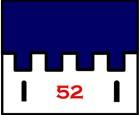
WThe 52nd (Lowland) Infantry Division was an infantry division of the British Army that was originally formed as the Lowland Division, in 1908 as part of the Territorial Force. It later became the 52nd (Lowland) Division in 1915. The 52nd (Lowland) Division fought in the First World War before being disbanded, with the rest of the Territorial Force, in 1920.
 W
WThe 52nd Infantry Brigade was a formation in the British Army first formed in 1914 as part of Kitchener's Army. Disbanded in 1919, it was reformed in India during the Second World War, and again for service between 1982-2010.
 W
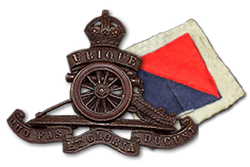
WThe 101st Heavy Anti-Aircraft Regiment, Royal Artillery was an air defence unit of Britain's Territorial Army raised in northern Scotland just before World War II. After defending the naval base of Scapa Flow against air attack in the early part of the war, the regiment went to India and later took part in the Burma Campaign in the anti-aircraft role and with heavy howitzers in support of ground forces, even on occasion fighting as infantry. It was reformed in the post-war TA and continued until the abolition of Anti-Aircraft Command in 1955.
 W
WThe Dundee Fortress Royal Engineers was a Scottish volunteer unit of the British Army formed in 1908. Its main role was the defence of the harbours and shipyards on the River Tay, but it also provided a detachment that saw active service in North Russia at the end of World War I. In the 1930s, it was turned into an air defence unit, in which role it served in World War II. A brief postwar revival ended in disbandment in 1950.
 W
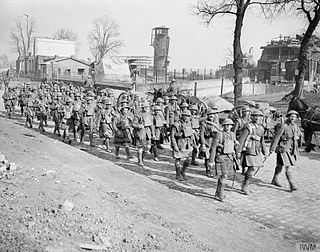
WThe 153rd Infantry Brigade, part of the 51st (Highland) Infantry Division, was an infantry brigade of the British Army that fought during both the First and Second world wars. It was raised in 1908, as the 2nd Highland Brigade, upon the creation of the Territorial Force and was later redesignated the 153rd Brigade.
 W
WThe 154th Infantry Brigade was an infantry brigade of the British Army division that fought during both the First and Second world wars. The brigade was raised in 1908, upon the creation of the Territorial Force, as the Argyll and Sutherland Brigade and was later redesignated as the 154th Brigade. The division was referred to as the "Highway Decorators" by other divisions who became used to discovering the 'HD' insignia painted wherever the Highlanders had passed through.
WThe 155th Brigade was an infantry brigade of the British Army that saw active service in both World War I and World War II. Assigned to the 52nd (Lowland) Division, the brigade saw active service in the Middle East and on the Western Front during the First World War. During the Second World War, now the 155th Infantry Brigade, it continued to serve with the 52nd Division in Operation Dynamo, and later in North-western Europe from late 1944 until May 1945.
WThe 156th Brigade was an infantry brigade formation of the British Army. The brigade saw active service in both World War I and World War II with the 52nd (Lowland) Division.
WThe 157th Brigade was an infantry brigade of the British Army. The brigade fought in both World War I and World War II, assigned to 52nd (Lowland) Division.
WThe 101st Heavy Anti-Aircraft Regiment, Royal Artillery was an air defence unit of Britain's Territorial Army raised in northern Scotland just before World War II. After defending the naval base of Scapa Flow against air attack in the early part of the war, the regiment went to India and later took part in the Burma Campaign in the anti-aircraft role and with heavy howitzers in support of ground forces, even on occasion fighting as infantry. It was reformed in the post-war TA and continued until the abolition of Anti-Aircraft Command in 1955.
WThe Dundee Fortress Royal Engineers was a Scottish volunteer unit of the British Army formed in 1908. Its main role was the defence of the harbours and shipyards on the River Tay, but it also provided a detachment that saw active service in North Russia at the end of World War I. In the 1930s, it was turned into an air defence unit, in which role it served in World War II. A brief postwar revival ended in disbandment in 1950.
WThe Dundee Fortress Royal Engineers was a Scottish volunteer unit of the British Army formed in 1908. Its main role was the defence of the harbours and shipyards on the River Tay, but it also provided a detachment that saw active service in North Russia at the end of World War I. In the 1930s, it was turned into an air defence unit, in which role it served in World War II. A brief postwar revival ended in disbandment in 1950.
WThe Dundee Fortress Royal Engineers was a Scottish volunteer unit of the British Army formed in 1908. Its main role was the defence of the harbours and shipyards on the River Tay, but it also provided a detachment that saw active service in North Russia at the end of World War I. In the 1930s, it was turned into an air defence unit, in which role it served in World War II. A brief postwar revival ended in disbandment in 1950.
WThe 101st Heavy Anti-Aircraft Regiment, Royal Artillery was an air defence unit of Britain's Territorial Army raised in northern Scotland just before World War II. After defending the naval base of Scapa Flow against air attack in the early part of the war, the regiment went to India and later took part in the Burma Campaign in the anti-aircraft role and with heavy howitzers in support of ground forces, even on occasion fighting as infantry. It was reformed in the post-war TA and continued until the abolition of Anti-Aircraft Command in 1955.
WThe Aberdeen Fortress Royal Engineers was a Scottish volunteer unit of the British Army formed in 1908. Its main role was defence of the Scottish coast, but it served on the Western Front during World War I. In the 1930s it was converted into an air defence unit, in which role it served in World War II.
WThe Dundee Fortress Royal Engineers was a Scottish volunteer unit of the British Army formed in 1908. Its main role was the defence of the harbours and shipyards on the River Tay, but it also provided a detachment that saw active service in North Russia at the end of World War I. In the 1930s, it was turned into an air defence unit, in which role it served in World War II. A brief postwar revival ended in disbandment in 1950.
WThe Dundee Fortress Royal Engineers was a Scottish volunteer unit of the British Army formed in 1908. Its main role was the defence of the harbours and shipyards on the River Tay, but it also provided a detachment that saw active service in North Russia at the end of World War I. In the 1930s, it was turned into an air defence unit, in which role it served in World War II. A brief postwar revival ended in disbandment in 1950.
WThe 101st Heavy Anti-Aircraft Regiment, Royal Artillery was an air defence unit of Britain's Territorial Army raised in northern Scotland just before World War II. After defending the naval base of Scapa Flow against air attack in the early part of the war, the regiment went to India and later took part in the Burma Campaign in the anti-aircraft role and with heavy howitzers in support of ground forces, even on occasion fighting as infantry. It was reformed in the post-war TA and continued until the abolition of Anti-Aircraft Command in 1955.
WThe Dundee Fortress Royal Engineers was a Scottish volunteer unit of the British Army formed in 1908. Its main role was the defence of the harbours and shipyards on the River Tay, but it also provided a detachment that saw active service in North Russia at the end of World War I. In the 1930s, it was turned into an air defence unit, in which role it served in World War II. A brief postwar revival ended in disbandment in 1950.
WThe Aberdeen Fortress Royal Engineers was a Scottish volunteer unit of the British Army formed in 1908. Its main role was defence of the Scottish coast, but it served on the Western Front during World War I. In the 1930s it was converted into an air defence unit, in which role it served in World War II.
WThe Aberdeen Fortress Royal Engineers was a Scottish volunteer unit of the British Army formed in 1908. Its main role was defence of the Scottish coast, but it served on the Western Front during World War I. In the 1930s it was converted into an air defence unit, in which role it served in World War II.
WThe Dundee Fortress Royal Engineers was a Scottish volunteer unit of the British Army formed in 1908. Its main role was the defence of the harbours and shipyards on the River Tay, but it also provided a detachment that saw active service in North Russia at the end of World War I. In the 1930s, it was turned into an air defence unit, in which role it served in World War II. A brief postwar revival ended in disbandment in 1950.
WThe Aberdeen Fortress Royal Engineers was a Scottish volunteer unit of the British Army formed in 1908. Its main role was defence of the Scottish coast, but it served on the Western Front during World War I. In the 1930s it was converted into an air defence unit, in which role it served in World War II.
WThe Dundee Fortress Royal Engineers was a Scottish volunteer unit of the British Army formed in 1908. Its main role was the defence of the harbours and shipyards on the River Tay, but it also provided a detachment that saw active service in North Russia at the end of World War I. In the 1930s, it was turned into an air defence unit, in which role it served in World War II. A brief postwar revival ended in disbandment in 1950.
WThe 157th Brigade was an infantry brigade of the British Army. The brigade fought in both World War I and World War II, assigned to 52nd (Lowland) Division.
 W
WThis is a list of warships of the Royal Scots Navy, the navy of the Kingdom of Scotland prior to the Acts of Union 1707. For its continuation after this period, see List of ship names of the Royal Navy.
WThe 155th Brigade was an infantry brigade of the British Army that saw active service in both World War I and World War II. Assigned to the 52nd (Lowland) Division, the brigade saw active service in the Middle East and on the Western Front during the First World War. During the Second World War, now the 155th Infantry Brigade, it continued to serve with the 52nd Division in Operation Dynamo, and later in North-western Europe from late 1944 until May 1945.
WThe 156th Brigade was an infantry brigade formation of the British Army. The brigade saw active service in both World War I and World War II with the 52nd (Lowland) Division.
WThe 155th Brigade was an infantry brigade of the British Army that saw active service in both World War I and World War II. Assigned to the 52nd (Lowland) Division, the brigade saw active service in the Middle East and on the Western Front during the First World War. During the Second World War, now the 155th Infantry Brigade, it continued to serve with the 52nd Division in Operation Dynamo, and later in North-western Europe from late 1944 until May 1945.
WThe Dundee Fortress Royal Engineers was a Scottish volunteer unit of the British Army formed in 1908. Its main role was the defence of the harbours and shipyards on the River Tay, but it also provided a detachment that saw active service in North Russia at the end of World War I. In the 1930s, it was turned into an air defence unit, in which role it served in World War II. A brief postwar revival ended in disbandment in 1950.