 W
WThe 8th Coast Regiment, Royal Artillery was a regular heavy artillery unit of the Royal Artillery and based in China during the years leading up to World War II.
WThe 2nd Glamorganshire Artillery Volunteers was a part-time unit of the British Army that defended the coast of South Wales from 1890 to 1942. Although it never saw action in its coastal defence role, it formed several siege batteries of heavy howitzers for service on the Western Front and Italian Front in World War I.
 W
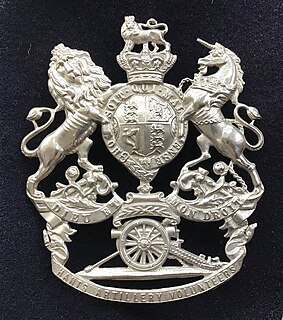
WThe 1st Hampshire Artillery Volunteers and its successors were part-time coast defence units of the British Army from 1860 to 1967. Although the units saw no action, they protected the Portsmouth area in both World Wars and supplied trained gunners to siege batteries engaged on the Western Front during World War I. The unit continued in the Territorial Army after World War II.
 W
WThe 2nd Devonshire Artillery Volunteers was a unit of the British Volunteer Force and Territorial Army. The unit and its successors defended Plymouth Dockyard and the Devon coast from 1861 to 1961.
WThe 2nd Devonshire Artillery Volunteers was a unit of the British Volunteer Force and Territorial Army. The unit and its successors defended Plymouth Dockyard and the Devon coast from 1861 to 1961.
WThe Pembroke Royal Garrison Artillery was a part-time unit of the British Army that defended the coast of West Wales during both world wars. Although it never saw action in its coastal defence role, it manned a number of siege batteries of heavy howitzers for service on the Western Front and Italian Front in World War I.
 W
WThe 1st Cornwall Artillery Volunteers were formed in 1860 as a response to a French invasion threat. They served as a Coast Artillery unit and continued in existence until the dissolution of Coast Artillery in the UK in 1956.
WThe Forth Royal Garrison Artillery and its successors were Scottish part-time coast defence units of the British Army from 1908 to 1956. Although they saw no active service, they supplied trained gunners to siege batteries engaged on the Western Front during World War I.
WThe Forth Royal Garrison Artillery and its successors were Scottish part-time coast defence units of the British Army from 1908 to 1956. Although they saw no active service, they supplied trained gunners to siege batteries engaged on the Western Front during World War I.
WThe Forth Royal Garrison Artillery and its successors were Scottish part-time coast defence units of the British Army from 1908 to 1956. Although they saw no active service, they supplied trained gunners to siege batteries engaged on the Western Front during World War I.
WThe Clyde Royal Garrison Artillery and its successors were Scottish part-time coast defence units of the British Army from 1910 to 1967. Although they unit saw no active service, they supplied trained gunners to siege batteries engaged on the Western Front during World War I.
WThe Clyde Royal Garrison Artillery and its successors were Scottish part-time coast defence units of the British Army from 1910 to 1967. Although they unit saw no active service, they supplied trained gunners to siege batteries engaged on the Western Front during World War I.
 W
WThe 1st Dorsetshire Artillery Volunteers and its successors were part-time coast defence units of the British Army from 1859 to 1956. Although these units saw no action, they protected the Dorset Coast, including the naval base of Portland Harbour, in both World Wars and also supplied trained gunners to siege batteries engaged on the Western Front during World War I. The unit continued in the Territorial Army after World War II.
WThe East Riding Royal Garrison Artillery (ERRGA) was a part-time unit of Britain's Royal Artillery based at Hull in the East Riding of Yorkshire. It provided coastal defence artillery along the Humber Estuary from 1908 to 1956, manned siege batteries on the Western Front during World War I at the Somme and Ypres and played a role in the pursuit of the German army during the Hundred Days Offensive. It served as infantry in Allied-occupied Germany after World War II. Its successor units in the Territorial Army included anti-aircraft artillery and field engineers.
WThe East Riding Royal Garrison Artillery (ERRGA) was a part-time unit of Britain's Royal Artillery based at Hull in the East Riding of Yorkshire. It provided coastal defence artillery along the Humber Estuary from 1908 to 1956, manned siege batteries on the Western Front during World War I at the Somme and Ypres and played a role in the pursuit of the German army during the Hundred Days Offensive. It served as infantry in Allied-occupied Germany after World War II. Its successor units in the Territorial Army included anti-aircraft artillery and field engineers.
WThe Pembroke Royal Garrison Artillery was a part-time unit of the British Army that defended the coast of West Wales during both world wars. Although it never saw action in its coastal defence role, it manned a number of siege batteries of heavy howitzers for service on the Western Front and Italian Front in World War I.
WThe Pembroke Royal Garrison Artillery was a part-time unit of the British Army that defended the coast of West Wales during both world wars. Although it never saw action in its coastal defence role, it manned a number of siege batteries of heavy howitzers for service on the Western Front and Italian Front in World War I.
 W
WThe 1st Orkney Artillery Volunteers were formed in 1860 as a response to a French invasion threat. They served as a Coast Artillery unit and continued in existence until the dissolution of Coast Artillery in the UK in 1956.
WThe Forth Royal Garrison Artillery and its successors were Scottish part-time coast defence units of the British Army from 1908 to 1956. Although they saw no active service, they supplied trained gunners to siege batteries engaged on the Western Front during World War I.
WThe Forth Royal Garrison Artillery and its successors were Scottish part-time coast defence units of the British Army from 1908 to 1956. Although they saw no active service, they supplied trained gunners to siege batteries engaged on the Western Front during World War I.
WThe Forth Royal Garrison Artillery and its successors were Scottish part-time coast defence units of the British Army from 1908 to 1956. Although they saw no active service, they supplied trained gunners to siege batteries engaged on the Western Front during World War I.
WThe North Scottish Royal Garrison Artillery and its successors were Scottish part-time coast defence units of the British Army from 1908 to 1961. Although the unit saw no active service, it supplied trained gunners to siege batteries engaged on the Western Front during World War I.
WThe Forth Royal Garrison Artillery and its successors were Scottish part-time coast defence units of the British Army from 1908 to 1956. Although they saw no active service, they supplied trained gunners to siege batteries engaged on the Western Front during World War I.
WThe Forth Royal Garrison Artillery and its successors were Scottish part-time coast defence units of the British Army from 1908 to 1956. Although they saw no active service, they supplied trained gunners to siege batteries engaged on the Western Front during World War I.
WThe North Scottish Royal Garrison Artillery and its successors were Scottish part-time coast defence units of the British Army from 1908 to 1961. Although the unit saw no active service, it supplied trained gunners to siege batteries engaged on the Western Front during World War I.
WThe East Riding Royal Garrison Artillery (ERRGA) was a part-time unit of Britain's Royal Artillery based at Hull in the East Riding of Yorkshire. It provided coastal defence artillery along the Humber Estuary from 1908 to 1956, manned siege batteries on the Western Front during World War I at the Somme and Ypres and played a role in the pursuit of the German army during the Hundred Days Offensive. It served as infantry in Allied-occupied Germany after World War II. Its successor units in the Territorial Army included anti-aircraft artillery and field engineers.
WThe East Riding Royal Garrison Artillery (ERRGA) was a part-time unit of Britain's Royal Artillery based at Hull in the East Riding of Yorkshire. It provided coastal defence artillery along the Humber Estuary from 1908 to 1956, manned siege batteries on the Western Front during World War I at the Somme and Ypres and played a role in the pursuit of the German army during the Hundred Days Offensive. It served as infantry in Allied-occupied Germany after World War II. Its successor units in the Territorial Army included anti-aircraft artillery and field engineers.
WThe 1st Dorsetshire Artillery Volunteers and its successors were part-time coast defence units of the British Army from 1859 to 1956. Although these units saw no action, they protected the Dorset Coast, including the naval base of Portland Harbour, in both World Wars and also supplied trained gunners to siege batteries engaged on the Western Front during World War I. The unit continued in the Territorial Army after World War II.
WThe 1st Cornwall Artillery Volunteers were formed in 1860 as a response to a French invasion threat. They served as a Coast Artillery unit and continued in existence until the dissolution of Coast Artillery in the UK in 1956.
WThe 1st Hampshire Artillery Volunteers and its successors were part-time coast defence units of the British Army from 1860 to 1967. Although the units saw no action, they protected the Portsmouth area in both World Wars and supplied trained gunners to siege batteries engaged on the Western Front during World War I. The unit continued in the Territorial Army after World War II.
WThe 1st Hampshire Artillery Volunteers and its successors were part-time coast defence units of the British Army from 1860 to 1967. Although the units saw no action, they protected the Portsmouth area in both World Wars and supplied trained gunners to siege batteries engaged on the Western Front during World War I. The unit continued in the Territorial Army after World War II.
WThe 1st Hampshire Artillery Volunteers and its successors were part-time coast defence units of the British Army from 1860 to 1967. Although the units saw no action, they protected the Portsmouth area in both World Wars and supplied trained gunners to siege batteries engaged on the Western Front during World War I. The unit continued in the Territorial Army after World War II.
WThe 2nd Glamorganshire Artillery Volunteers was a part-time unit of the British Army that defended the coast of South Wales from 1890 to 1942. Although it never saw action in its coastal defence role, it formed several siege batteries of heavy howitzers for service on the Western Front and Italian Front in World War I.
WThe Pembroke Royal Garrison Artillery was a part-time unit of the British Army that defended the coast of West Wales during both world wars. Although it never saw action in its coastal defence role, it manned a number of siege batteries of heavy howitzers for service on the Western Front and Italian Front in World War I.
WThe 1st Orkney Artillery Volunteers were formed in 1860 as a response to a French invasion threat. They served as a Coast Artillery unit and continued in existence until the dissolution of Coast Artillery in the UK in 1956.
WThe 1st Orkney Artillery Volunteers were formed in 1860 as a response to a French invasion threat. They served as a Coast Artillery unit and continued in existence until the dissolution of Coast Artillery in the UK in 1956.
WThe 1st Orkney Artillery Volunteers were formed in 1860 as a response to a French invasion threat. They served as a Coast Artillery unit and continued in existence until the dissolution of Coast Artillery in the UK in 1956.
WThe Clyde Royal Garrison Artillery and its successors were Scottish part-time coast defence units of the British Army from 1910 to 1967. Although they unit saw no active service, they supplied trained gunners to siege batteries engaged on the Western Front during World War I.
WThe East Riding Royal Garrison Artillery (ERRGA) was a part-time unit of Britain's Royal Artillery based at Hull in the East Riding of Yorkshire. It provided coastal defence artillery along the Humber Estuary from 1908 to 1956, manned siege batteries on the Western Front during World War I at the Somme and Ypres and played a role in the pursuit of the German army during the Hundred Days Offensive. It served as infantry in Allied-occupied Germany after World War II. Its successor units in the Territorial Army included anti-aircraft artillery and field engineers.
WThe 2nd Glamorganshire Artillery Volunteers was a part-time unit of the British Army that defended the coast of South Wales from 1890 to 1942. Although it never saw action in its coastal defence role, it formed several siege batteries of heavy howitzers for service on the Western Front and Italian Front in World War I.
WThe 2nd Devonshire Artillery Volunteers was a unit of the British Volunteer Force and Territorial Army. The unit and its successors defended Plymouth Dockyard and the Devon coast from 1861 to 1961.
WThe 2nd Devonshire Artillery Volunteers was a unit of the British Volunteer Force and Territorial Army. The unit and its successors defended Plymouth Dockyard and the Devon coast from 1861 to 1961.
WThe 2nd Devonshire Artillery Volunteers was a unit of the British Volunteer Force and Territorial Army. The unit and its successors defended Plymouth Dockyard and the Devon coast from 1861 to 1961.
WThe 2nd Glamorganshire Artillery Volunteers was a part-time unit of the British Army that defended the coast of South Wales from 1890 to 1942. Although it never saw action in its coastal defence role, it formed several siege batteries of heavy howitzers for service on the Western Front and Italian Front in World War I.
WThe 2nd Glamorganshire Artillery Volunteers was a part-time unit of the British Army that defended the coast of South Wales from 1890 to 1942. Although it never saw action in its coastal defence role, it formed several siege batteries of heavy howitzers for service on the Western Front and Italian Front in World War I.
WThe 2nd Glamorganshire Artillery Volunteers was a part-time unit of the British Army that defended the coast of South Wales from 1890 to 1942. Although it never saw action in its coastal defence role, it formed several siege batteries of heavy howitzers for service on the Western Front and Italian Front in World War I.
WThe 2nd Glamorganshire Artillery Volunteers was a part-time unit of the British Army that defended the coast of South Wales from 1890 to 1942. Although it never saw action in its coastal defence role, it formed several siege batteries of heavy howitzers for service on the Western Front and Italian Front in World War I.
WThe Clyde Royal Garrison Artillery and its successors were Scottish part-time coast defence units of the British Army from 1910 to 1967. Although they unit saw no active service, they supplied trained gunners to siege batteries engaged on the Western Front during World War I.
WThe 2nd Devonshire Artillery Volunteers was a unit of the British Volunteer Force and Territorial Army. The unit and its successors defended Plymouth Dockyard and the Devon coast from 1861 to 1961.
WThe 1st Dorsetshire Artillery Volunteers and its successors were part-time coast defence units of the British Army from 1859 to 1956. Although these units saw no action, they protected the Dorset Coast, including the naval base of Portland Harbour, in both World Wars and also supplied trained gunners to siege batteries engaged on the Western Front during World War I. The unit continued in the Territorial Army after World War II.
WThe North Scottish Royal Garrison Artillery and its successors were Scottish part-time coast defence units of the British Army from 1908 to 1961. Although the unit saw no active service, it supplied trained gunners to siege batteries engaged on the Western Front during World War I.
WThe Forth Royal Garrison Artillery and its successors were Scottish part-time coast defence units of the British Army from 1908 to 1956. Although they saw no active service, they supplied trained gunners to siege batteries engaged on the Western Front during World War I.
WThe 2nd Glamorganshire Artillery Volunteers was a part-time unit of the British Army that defended the coast of South Wales from 1890 to 1942. Although it never saw action in its coastal defence role, it formed several siege batteries of heavy howitzers for service on the Western Front and Italian Front in World War I.
WThe 1st Hampshire Artillery Volunteers and its successors were part-time coast defence units of the British Army from 1860 to 1967. Although the units saw no action, they protected the Portsmouth area in both World Wars and supplied trained gunners to siege batteries engaged on the Western Front during World War I. The unit continued in the Territorial Army after World War II.
WThe 1st Orkney Artillery Volunteers were formed in 1860 as a response to a French invasion threat. They served as a Coast Artillery unit and continued in existence until the dissolution of Coast Artillery in the UK in 1956.
WThe Pembroke Royal Garrison Artillery was a part-time unit of the British Army that defended the coast of West Wales during both world wars. Although it never saw action in its coastal defence role, it manned a number of siege batteries of heavy howitzers for service on the Western Front and Italian Front in World War I.