 W
WSir Wyke Bayliss was a British painter, author, and poet. He almost exclusively painted interiors of British and European churches and cathedrals, and was known in the late Victorian era as an academic authority on art. From the start of his career Bayliss' main interest was in depicting architecture, finding "infinite charm" in the "infinite variety of the aspect of a Cathedral interior".
 W
WEdmund Blampied was one of the most eminent artists to come from the Channel Islands, yet he received no formal training in art until he was 15 years old. He was noted mostly for his etchings and drypoints published at the height of the print boom in the 1920s during the etching revival, but was also a lithographer, caricaturist, cartoonist, book illustrator and artist in oils, watercolours, silhouettes and bronze.
 W
WHenry John Boddington was an English landscape painter during the Victorian era, and a member of the Williams family of painters.
 W
WSir Frank William Brangwyn was a Welsh artist, painter, watercolourist, printmaker, illustrator, and designer.
 W
WDavid Lawrence Carpanini is a Welsh artist, etcher, teacher and printmaker whose drawings, paintings and etchings are mostly concerned with the natural and industrial landscapes of South Wales. He was President of the Royal Society of Painter-Printmakers (1995–2003) and was Professor of Art at the University of Wolverhampton (1992–2000).
 W
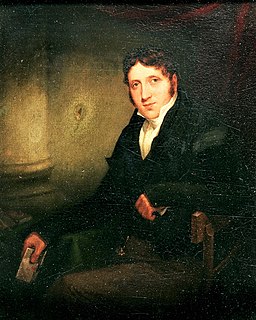
WAlfred Clint (1807–1883) was an English marine painter.
 W
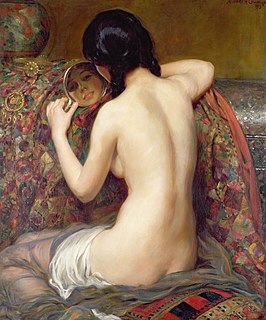
WAlbert Henry Collings, RBA was an English artist most notable for his portraiture.
 W
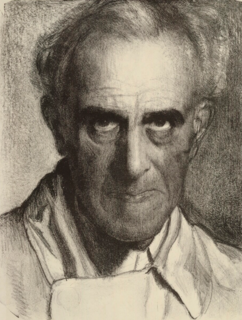
WJohn Copley was a British artist. He was a founder member of the Senefelder Club and served as its honorary secretary from 1910 to 1916. While there he met his future wife, Ethel Léontine Gabain, with whom he had two sons.
 W
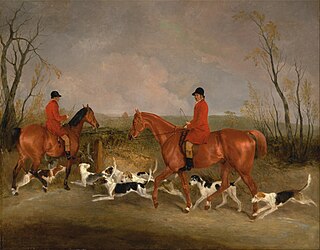
WRichard Barrett Davis (1782–1854) was an animal and landscape painter.
 W
WWynford Dewhurst RBA was an English Impressionist painter and notable art theorist. He spent considerable time in France and his work was profoundly influenced by Claude Monet.
 W
WSir Alfred Edward East was an English painter.
 W
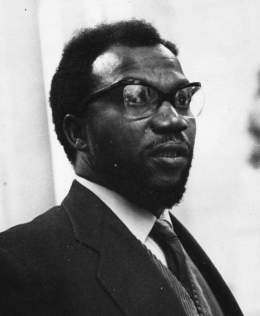
WOdinigwe Benedict Chukwukadibia Enwonwu MBE, better known as Ben Enwonwu, was a Nigerian painter and sculptor. Arguably the most influential African artist of the 20th century, his pioneering career opened the way for the postcolonial proliferation and increased visibility of modern African art. He was one of the first African artists to win critical acclaim, having exhibited in august exhibition spaces in Europe and the United States and listed in international directories of contemporary art. Since 1950, Enwonwu was celebrated as "Africa's Greatest Artist" by the international media and his fame was used to enlist support for Black Nationalists movement all over the world. The Enwonwu crater on the planet Mercury is named in his honour.
 W
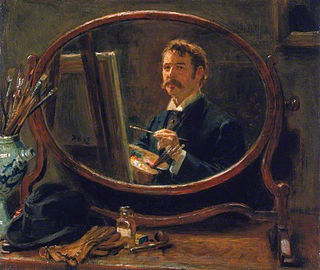
WRalph Hedley was a realist painter, woodcarver and illustrator, best known for his paintings portraying scenes of everyday life in the North East of England.
 W
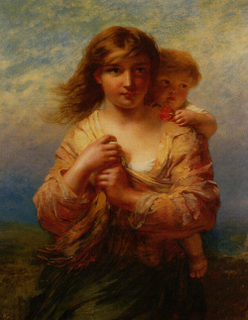
WJames John Hill, known also by his alias J. J. Hill, was an English landscape and portrait painter, known for his many rustic paintings and portraits of Lady Burdett-Coutts.
 W
WThomas Christopher Hofland (1777–1843) was an English artist and teacher.
 W
WFrederick Yeates Hurlstone was an English portrait and historical painter.
 W
WHal Hurst, was an English painter, etcher, miniaturist, illustrator and founding member of the Royal Miniature Society.
 W
WLouise Jane Jopling was an English painter of the Victorian era, and one of the most prominent female artists of her generation.
 W
WPhilip Alexius de László was an Anglo-Hungarian painter known particularly for his portraits of royal and aristocratic personages. In 1900, he married Lucy Guinness of Stillorgan, County Dublin, and he became a British subject in 1914.
 W
WRichard Hayley Lever was an Australian-American painter, etcher, lecturer and art teacher. His work was part of the art competitions at the 1928 Summer Olympics and the 1932 Summer Olympics.
 W
WWilliam Linton was a British landscape artist.
 W
WLaurence Stephen Lowry was an English artist. His drawings and paintings depict Pendlebury, Lancashire, where he lived and worked for more than 40 years, Salford and its vicinity.
 W
WArthur Hardwick Marsh was a British painter and watercolourist who flourished during the late Victorian era.
 W
WHenry Meyer was an English portrait painter, more known as a stipple and mezzotint engraver.
 W
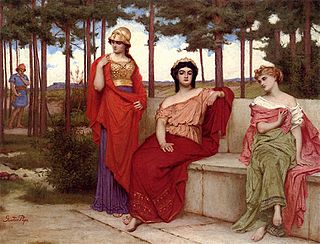
WGustav Pope (1831–1910) was a British painter of Austrian origin. Active in the Victorian era, he incorporated several styles on his work, but in his mature style he showed influences of the second wave of the Pre-Raphaelite Brotherhood.
 W
WEdward Prentis (1797–1854) was an English genre painter. His scenes from contemporary domestic life were popular in his time.
 W
WDavid Roberts was a Scottish painter. He is especially known for The Holy Land, Syria, Idumea, Arabia, Egypt, and Nubia, a prolific series of detailed lithograph prints of Egypt and the Near East that he produced from sketches he made during long tours of the region (1838–40). These and his large oil paintings of similar subjects made him a prominent Orientalist painter. He was elected as a Royal Academician in 1841.
 W
WEdward Brian (Ted) Seago RBA ARWS RWS was an English artist who painted in both oils and watercolours.
 W
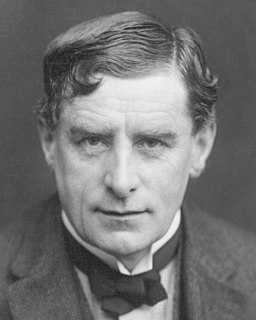
WWalter Richard Sickert was a German-born English painter and printmaker who was a member of the Camden Town Group of Post-Impressionist artists in early 20th-century London. He was an important influence on distinctively British styles of avant-garde art in the mid- and late 20th century.
 W
WSolomon Joseph Solomon was a British painter, a founding member of the New English Art Club and member of the Royal Academy.
 W
WClarkson Frederick Stanfield was a prominent English painter who was best known for his large-scale paintings of dramatic marine subjects and landscapes. He was the father of the painter George Clarkson Stanfield and the composer Francis Stanfield.
 W
WBarbara Tate was a British artist and writer, perhaps best known for her bestselling book West End Girls, which was published shortly after her death.
 W
WLot "Lance" Thackeray (1869–1916) was an English illustrator, known especially for his comic sporting illustrations involving billiards and golf and for his many humorous postcards.
 W
WJames Abbott McNeill Whistler was an American artist active during the American Gilded Age and based primarily in the United Kingdom. He eschewed sentimentality and moral allusion in painting and was a leading proponent of the credo "art for art's sake". His signature for his paintings took the shape of a stylized butterfly possessing a long stinger for a tail. The symbol combined both aspects of his personality: his art is marked by a subtle delicacy, while his public persona was combative. He found a parallel between painting and music, and entitled many of his paintings "arrangements", "harmonies", and "nocturnes", emphasizing the primacy of tonal harmony. His most famous painting, Arrangement in Grey and Black No. 1 (1871), commonly known as Whistler's Mother, is a revered and often parodied portrait of motherhood. Whistler influenced the art world and the broader culture of his time with his theories and his friendships with other leading artists and writers.
 W
WChristopher David Williams was a Welsh artist.
 W
WJohn H. "Jock" Wilson was a Scottish landscape and marine painter, president of the Society of British Artists in 1827.